6-12-3 nishi-shinjuku, shinjuku-ku, tokyo

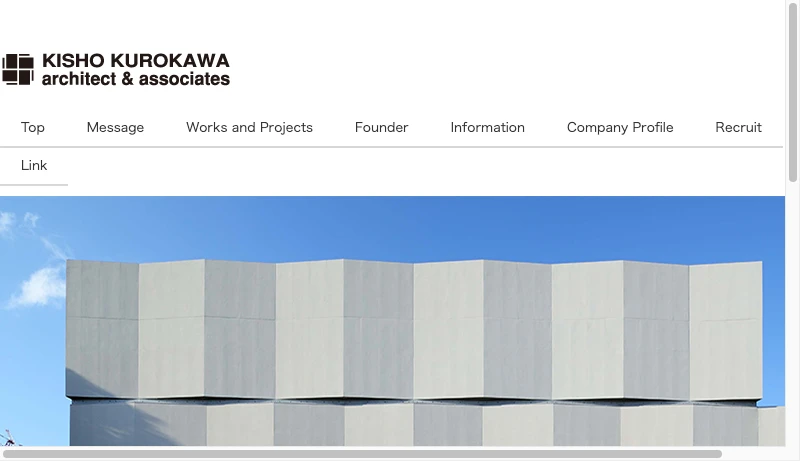
The Coito Building, completed in 1974 in Shinjuku's Nishi-Shinjuku district, represents a significant example of Japanese modernist office architecture. Designed by the renowned Kurokawa Kisho Architects and Urban Design firm, this structure exemplifies the metabolist principles that influenced Tokyo's urban landscape during the post-war economic boom. The building's design showcases the architectural philosophy of its era, featuring clean lines and functional efficiency characteristic of 1970s commercial architecture. Its placement in the rapidly developing Shinjuku area makes it an important landmark for understanding Tokyo's architectural evolution and urban development during this transformative period.
The Coito Building, completed in 1974 in Shinjuku's Nishi-Shinjuku district, represents a significant example of Japanese modernist office architecture. Designed by the renowned Kurokawa Kisho Architects and Urban Design firm, this structure exemplifies the metabolist principles that influenced Toky
...The Coito Building, completed in 1974 in Shinjuku's Nishi-Shinjuku district, represents a significant example of Japanese modernist office architecture. Designed by the renowned Kurokawa Kisho Architects and Urban Design firm, this structure exemplifies the metabolist principles that influenced Tokyo's urban landscape during the post-war economic boom. The building's design showcases the architectural philosophy of its era, featuring clean lines and functional efficiency characteristic of 1970s commercial architecture. Its placement in the rapidly developing Shinjuku area makes it an important landmark for understanding Tokyo's architectural evolution and urban development during this transformative period.