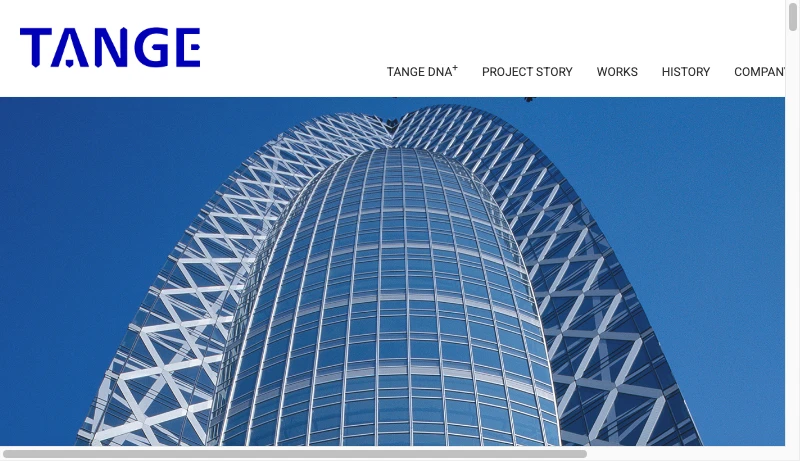
Building: Health Culture Center Hiroshima Kosei-Nenkin Kaikan
健康文化センター広島厚生年金会館
View in Image Search:

3-3 kako-cho, hiroshima city, hiroshima

The Hiroshima Welfare Pension Hall, completed in 1985, represents a significant example of late twentieth-century Japanese architectural design by the renowned Kenzou Tange and his Urban and Architectural Design Institute. This multipurpose facility in Kago-cho, Hiroshima, seamlessly integrates hospitality and cultural functions within its structure, serving as both a lodging facility and performance venue. Tange's design philosophy emphasizes functional efficiency while maintaining aesthetic sophistication, characteristic of his approach to public architecture. The building stands as testament to postwar Japanese commitment to cultural infrastructure and wellness facilities, reflecting broader societal values of the era.
The Hiroshima Welfare Pension Hall, completed in 1985, represents a significant example of late twentieth-century Japanese architectural design by the renowned Kenzou Tange and his Urban and Architectural Design Institute. This multipurpose facility in Kago-cho, Hiroshima, seamlessly integrates hosp
...The Hiroshima Welfare Pension Hall, completed in 1985, represents a significant example of late twentieth-century Japanese architectural design by the renowned Kenzou Tange and his Urban and Architectural Design Institute. This multipurpose facility in Kago-cho, Hiroshima, seamlessly integrates hospitality and cultural functions within its structure, serving as both a lodging facility and performance venue. Tange's design philosophy emphasizes functional efficiency while maintaining aesthetic sophistication, characteristic of his approach to public architecture. The building stands as testament to postwar Japanese commitment to cultural infrastructure and wellness facilities, reflecting broader societal values of the era.