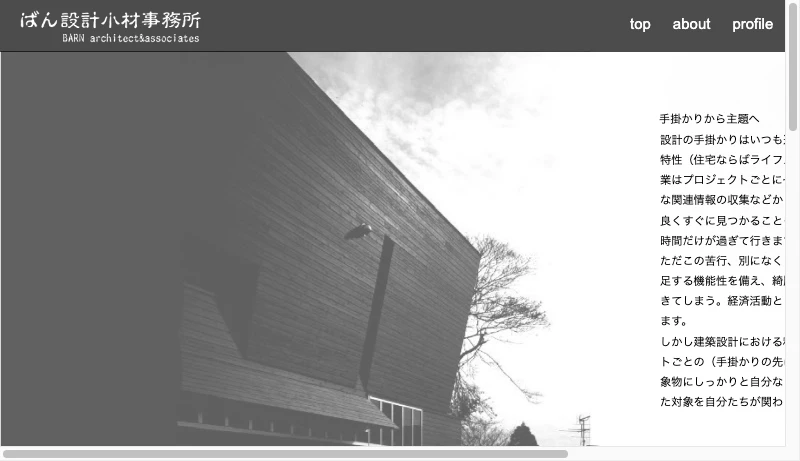
Building: SEIWA BUNRAKUMURA PUBLIC LAVATORY
清和文楽邑道の駅公衆トイレ
View in Image Search:

138-6 ohira, seiwa-mura, kamimashiki-gun, kumamoto

The Kiyowa Bunraku-mura Michi-no-Eki Public Restroom, completed in 2001, represents a thoughtful approach to functional architecture in rural Japan. Designed by Kensuke Komaterial of Ban Design Komaterial Office, this modest yet carefully considered structure serves travelers along the roadside station in Kumamoto Prefecture. Rather than treating utilitarian facilities as purely practical necessities, the design demonstrates how public architecture can integrate sensitively with its landscape setting. The building exemplifies contemporary Japanese design philosophy that elevates everyday infrastructural elements through refined spatial planning and material consideration, making it a noteworthy example for those interested in how contemporary architects approach functional public facilities in regional areas.
The Kiyowa Bunraku-mura Michi-no-Eki Public Restroom, completed in 2001, represents a thoughtful approach to functional architecture in rural Japan. Designed by Kensuke Komaterial of Ban Design Komaterial Office, this modest yet carefully considered structure serves travelers along the roadside stat
...The Kiyowa Bunraku-mura Michi-no-Eki Public Restroom, completed in 2001, represents a thoughtful approach to functional architecture in rural Japan. Designed by Kensuke Komaterial of Ban Design Komaterial Office, this modest yet carefully considered structure serves travelers along the roadside station in Kumamoto Prefecture. Rather than treating utilitarian facilities as purely practical necessities, the design demonstrates how public architecture can integrate sensitively with its landscape setting. The building exemplifies contemporary Japanese design philosophy that elevates everyday infrastructural elements through refined spatial planning and material consideration, making it a noteworthy example for those interested in how contemporary architects approach functional public facilities in regional areas.